
Embrace the Madness
Unfiltered takes on absurdity, hypocrisy, and the chaos of modern life — with room for satire, serious moments, and everything in between. Welcome to the contradiction that’ll have you saying: “WTFNow?”
Unfiltered takes on absurdity, hypocrisy, and the chaos of modern life — with room for satire, serious moments, and everything in between. Welcome to the contradiction that’ll have you saying: “WTFNow?”

The cURL project — one of the internet’s quiet workhorses — has ended its bug bounty after being swamped with low-quality, often AI-generated “security reports” that waste maintainer time and drain morale. In true WTFNow fashion, we look at the bigger irony: AI wasn’t used to reduce workload… it created a fresh tsunami of noise, turning incentives into a spam engine. Here’s what happened, why it matters, and why “verification” is becoming the most expensive human skill online.

— and why trying to “educate” them is a waste of your life energy We’ve all encountered “that person.” The person who shouts “follow the science!” but immediately self-destructs when faced with actual science. You bring sources. They bring vibes. You show verified data. They respond with, “Well that’s what they want you to think.” At that point, you’re not in a debate — you’re trapped inside someone’s emotional support bubble. Let’s unpack the madness.

In parts of China, public toilets now require you to scan a QR code and watch an advert just to receive toilet paper — meaning basic hygiene has officially become a sponsored event. This long-form WTFNow piece explores how an idea so laughably dystopian actually exists, how it represents the global obsession with monetising everything, and why it’s only a matter of time before British councils copy-paste the stupidity. From phone-dead disasters to ad-supported wiping, this is a deep dive into the moment society sprinted past innovation and straight into absurdity.
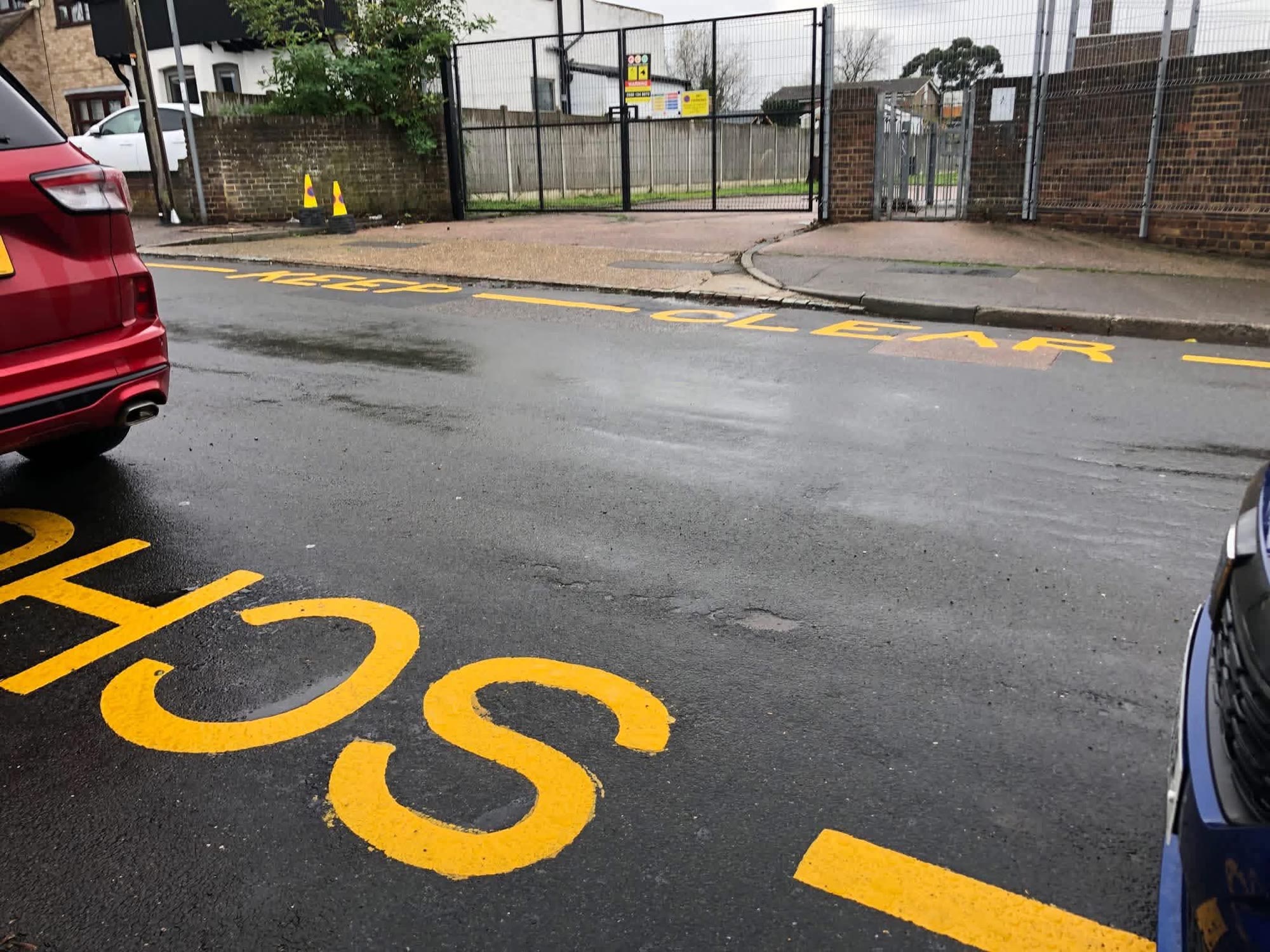
If you ever needed proof that British politics has officially drifted into parody, look no further than Kent County Council’s latest act of civic brilliance: repainting the “School Keep Clear” markings outside the former Halfway Houses Primary School — a building that not only has no pupils, but hasn’t had any since the mid-2010s.

Residents of a quiet English village woke to chaos after hundreds of garden gnomes vanished overnight—only to reappear perfectly arranged in crop-circle patterns across the village green. Locals are calling it the “Gnome Uprising,” while police remain baffled. Social media has erupted with conspiracy theories, memes, and wild claims that the ornaments have achieved collective consciousness.
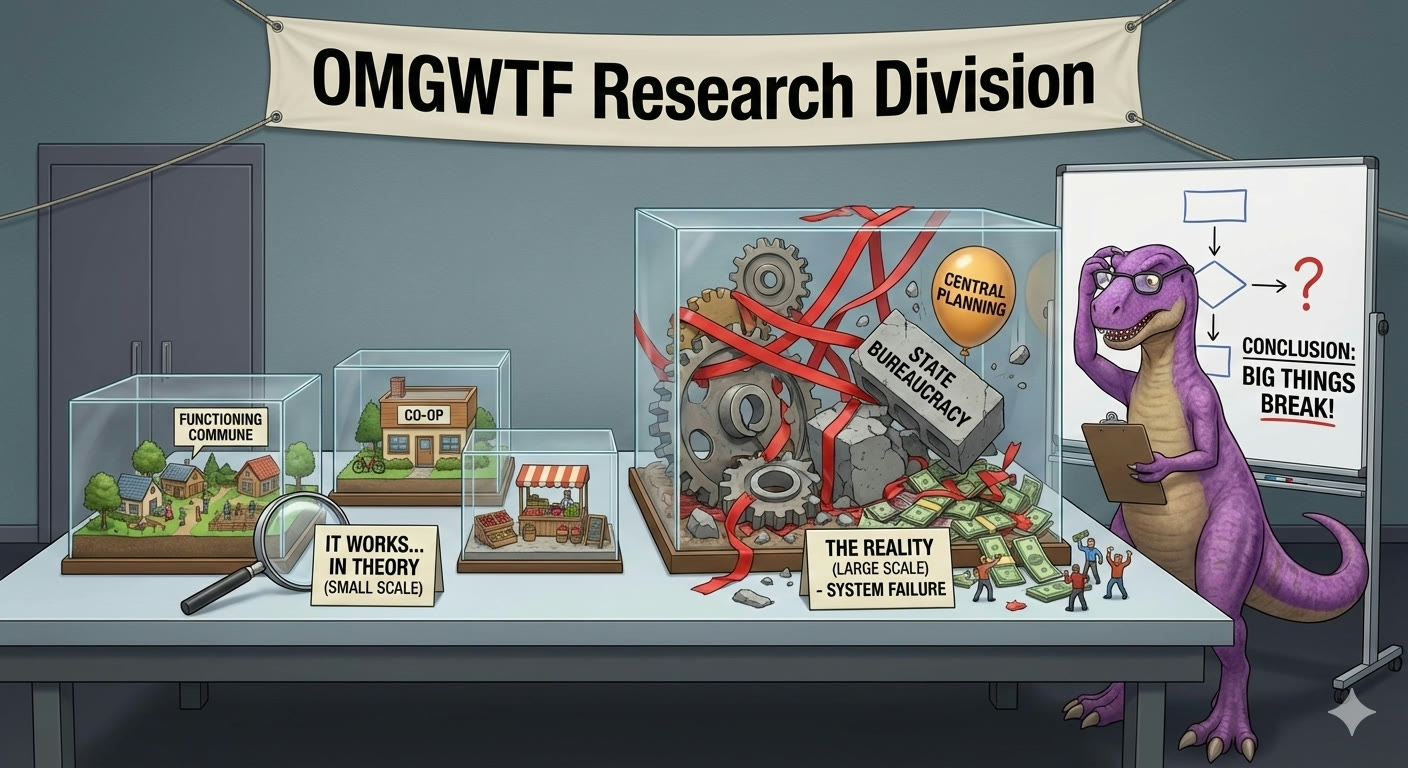
Why does communism work at home but fall apart at scale? Why does socialism thrive in communities but buckle under bureaucracy? Why does capitalism coordinate millions of strangers… and then eat itself? This piece breaks down The Scale Illusion — the overlooked reason every economic system works beautifully in the right context and fails spectacularly in the wrong one.
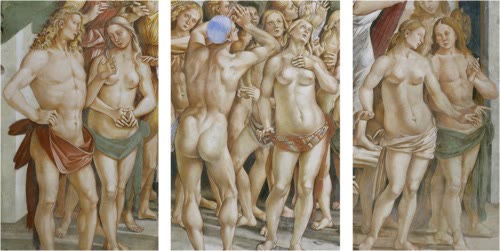
Turns out the world’s holiest city had a secret hallway of hardcore Renaissance art — commissioned by a Pope, no less. From erotic frescoes to papal hypocrisy, the Borgia family turned a Vatican palace into a full-blown pleasure gallery. This isn’t historical fiction. This is history they hoped you'd forget.

In one of the weirdest moments in aviation history, a Japanese airline tried pumping wasabi-scented air through the cabin to calm nervous flyers. Yep, spicy green jet fog. This post dives into that eyebrow-raising experiment, plus a few other sky-high gimmicks that prove airlines have truly lost the plot. From standing room flights to matchmaking at 30,000 feet — get ready to ask: who signed off on this?!

This is a deep dive into how “net zero” became the biggest PR stunt of the century — where trillion-dollar corporations claim they’re saving the planet while still running on oil, gas, and coal. We break down the shell game of Renewable Energy Credits, the token gestures that pass for transformation, and the creative accounting that makes CO₂ disappear on paper but not in the atmosphere. Equal parts exposé and satire, this piece rips apart the corporate climate theatre — with a little kale-based humour to keep it digestible.
In a world where the news is polished until it’s practically fiction, satire and sarcasm are the last weapons of truth. This WTFNow piece tears into the PR-driven circus of modern reporting, showing how a well-aimed joke can hit harder than any press release — and why laughing at the absurdity is the first step to realising just how furious you should be.

Spoiler: None of them involve a gold-plated yacht. From disaster relief in war zones to slashing the cost of space travel, Elon Musk has done more for global infrastructure, education, and connectivity than most governments — and he’s done it without the PR circus. This WTFNow feature rips through the lazy “far-right billionaire” narrative with 10 hard examples of his direct impact, plus a bonus look at how his Mars obsession is already solving real-world problems on Earth. Love him or hate him, the receipts are here… and they don’t fit the meme.

An unapologetic deep dive into why the “tax the rich, subsidise the poor” model isn’t just flawed — it’s actively fuelling the cost-of-living crisis. Using sharp examples like the car industry, housing markets, and everyday goods, this WTFNow feature exposes how taxes on the wealthy inevitably cascade down to everyday consumers, while subsidies inflate prices and create economic dependency.

In 1938, a young Orson Welles read a dramatic radio adaptation of The War of the Worlds — and listeners across America freaked out. The broadcast, done in a breaking-news format, convinced thousands that Earth was actually under Martian attack. People flooded police stations, fled towns, and some even armed themselves to fight the invasion. It was mass panic caused by fictional aliens on the radio. This post dives into how it happened, who believed it, and why it remains one of the greatest unintentional pranks in history.

As weight loss drugs like Ozempic and Wegovy explode in popularity, more people are turning to pills and injections as a shortcut to slimness — often without understanding what they’re actually taking. This post explores the strange logic behind “eating something to stop eating,” the flawed mindset of medicating hunger, and the outdated reliance on a 2,000-calorie Recommended Daily Allowance (which was never really average to begin with). A critical and witty look at diet culture, false shortcuts, and why sustainable weight loss still starts with knowledge — not prescriptions.
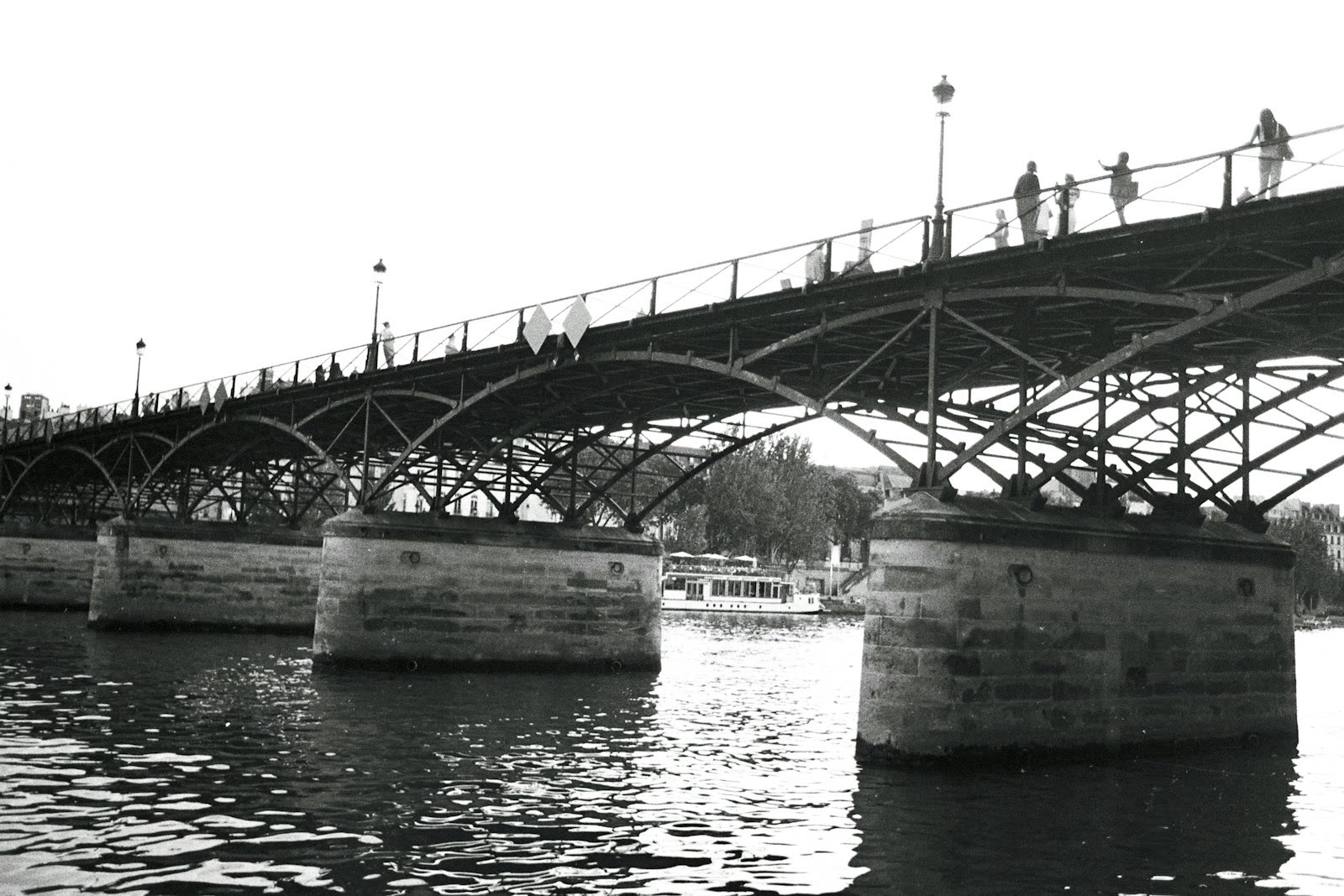
In 1951, the quiet French town of Pont-Saint-Esprit descended into absolute madness. Dozens of people experienced wild hallucinations, seizures, and full-blown psychotic breaks after eating bread from a local bakery. One man thought snakes were eating his brain; another jumped out a window shouting “I am a plane.” For decades, officials blamed tainted grain — until declassified CIA documents suggested this may have been part of MK-Ultra, the U.S. government’s secret mind control programme. That’s right: the townspeople may have been unknowingly dosed with LSD as part of a human experiment.
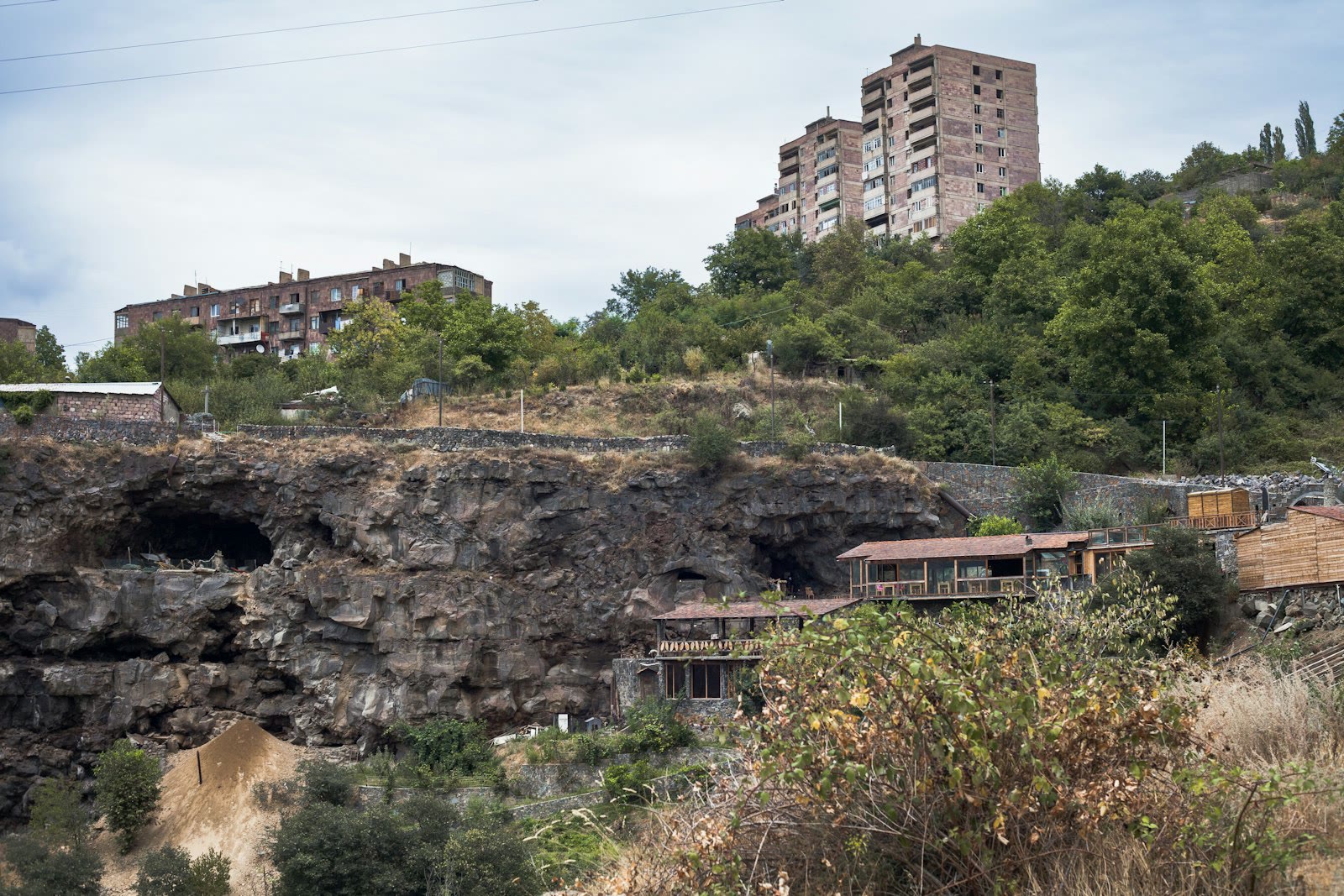
In both 1934 and 1945, Chile made international headlines for deadly mine collapses… that didn’t actually happen. Local officials announced rescue missions, grieving families gathered, and newspapers printed tragic updates — only for the “trapped” miners to casually walk out unharmed. It was chaos caused by false alarms, bad communication, and a lot of jumping to conclusions. This post explores how two fake disasters caused real emotional fallout, mass confusion, and the kind of accidental drama that feels ripped from a satire. You really can’t make this stuff up — but someone clearly did.
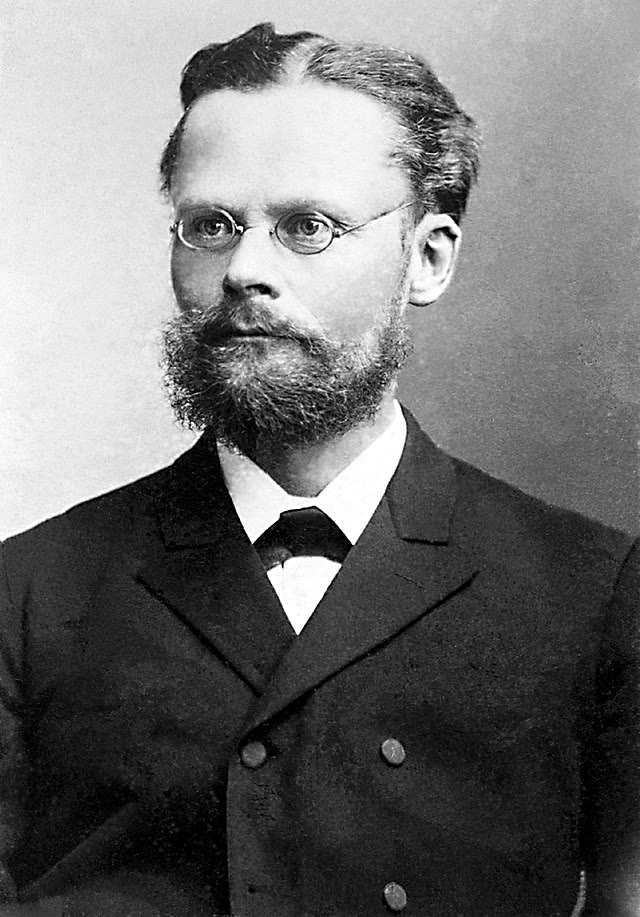
In 1920s London, self-proclaimed healer William Herrmann claimed he could cure cancer and other diseases using “psychic surgery” — reaching into people’s bodies with his bare hands to remove tumors, all without leaving a mark. Thousands bought it. The only problem? It was all fake. Herrmann used sleight of hand and animal organs hidden in his sleeves to trick audiences in what became one of the UK’s earliest and weirdest public health scams. This post breaks down the rise, the scandal, and how he turned faith into theatre — until the cops showed up.

It’s the quietest win in motorsport history. At the British Drag Racing Championship final at Santa Pod, Dutch driver Michel Tooren took home the trophy… because literally no one else turned up to race. Both finalists failed to appear, so Tooren coasted to victory with zero competition on the track. It’s part triumph, part awkward solo parade lap — and full-on WTF. In a sport known for speed, this one was won by simply being present. Sometimes, showing up really is half the battle.

A flight from Luton to Glasgow took a chaotic turn when a passenger burst out of the toilet shouting “I’ve got a bomb” and referencing Donald Trump. Cue full-blown panic, emergency landing prep — and a bunch of other passengers tackling him and literally sitting on him until police arrived. No bomb was found, no one was harmed, and the whole thing felt like the most unhinged group trust fall in aviation history. We break down what happened, what passengers said, and why budget flights never disappoint in the drama department.
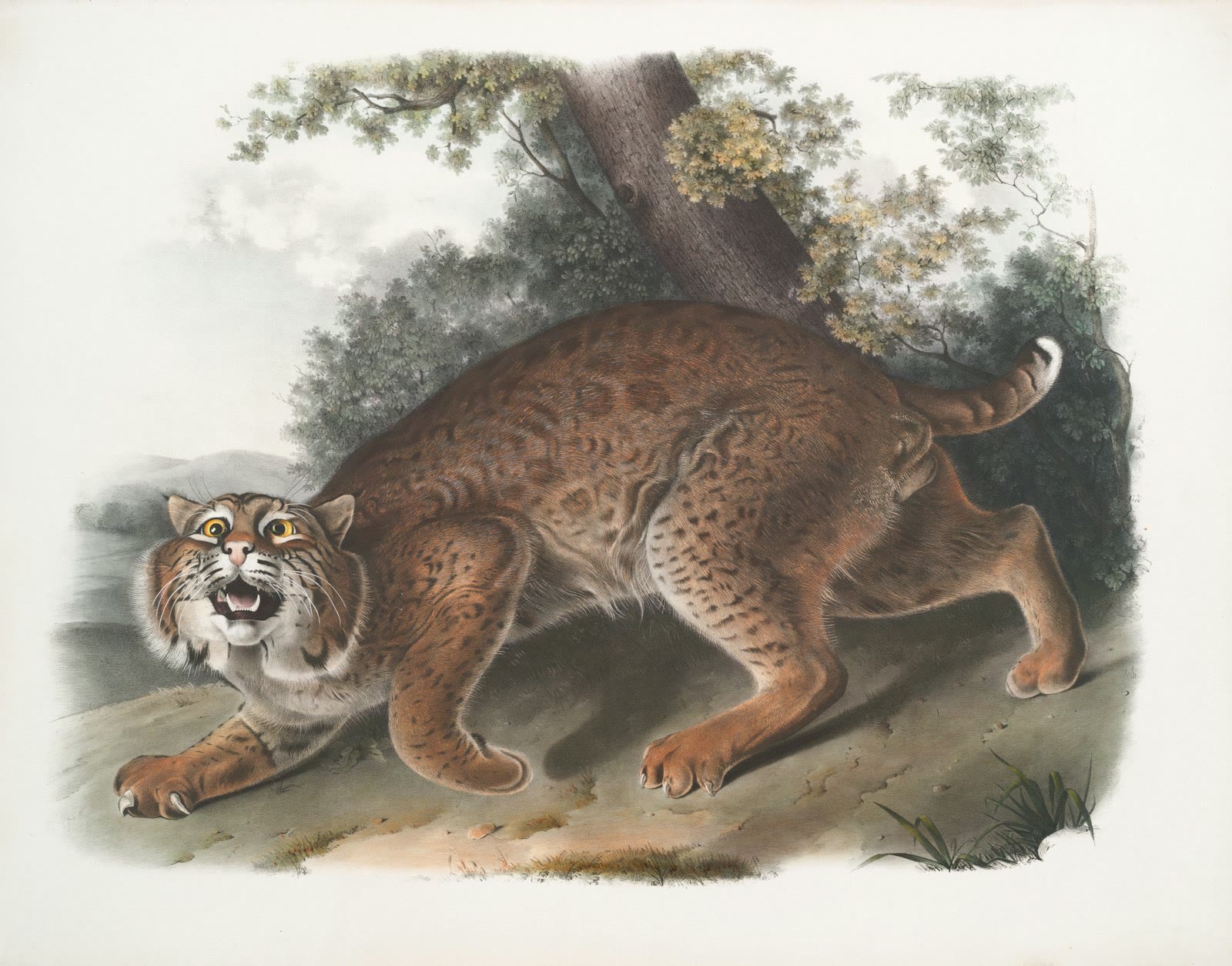
Wallasey residents are being stalked — not by a wild animal, but by a bloke in a full-body black cat suit. Dubbed “Pantherman,” this prowling prankster has been creeping through the streets at night, growling, sliding under fences, and meowing at strangers. Locals are understandably freaked, while the internet can’t decide if he’s terrifying or auditioning for Cats 2. This post dives into one of the UK’s weirdest recent sightings, complete with social media reactions and a few serious “what the actual f***” moments. Only in Britain, right?
During WWII, the British government launched a top-secret operation called Operation Fish, where they staged fake air raids and chaos across London — just to sneak the UK’s gold reserves and royal treasures to Canada. Because apparently, hiding the crown jewels is best done during actual war… by faking more war. This post uncovers the absurdity of the plan, the risks involved, and how it all played out like a wartime heist movie nobody asked for.
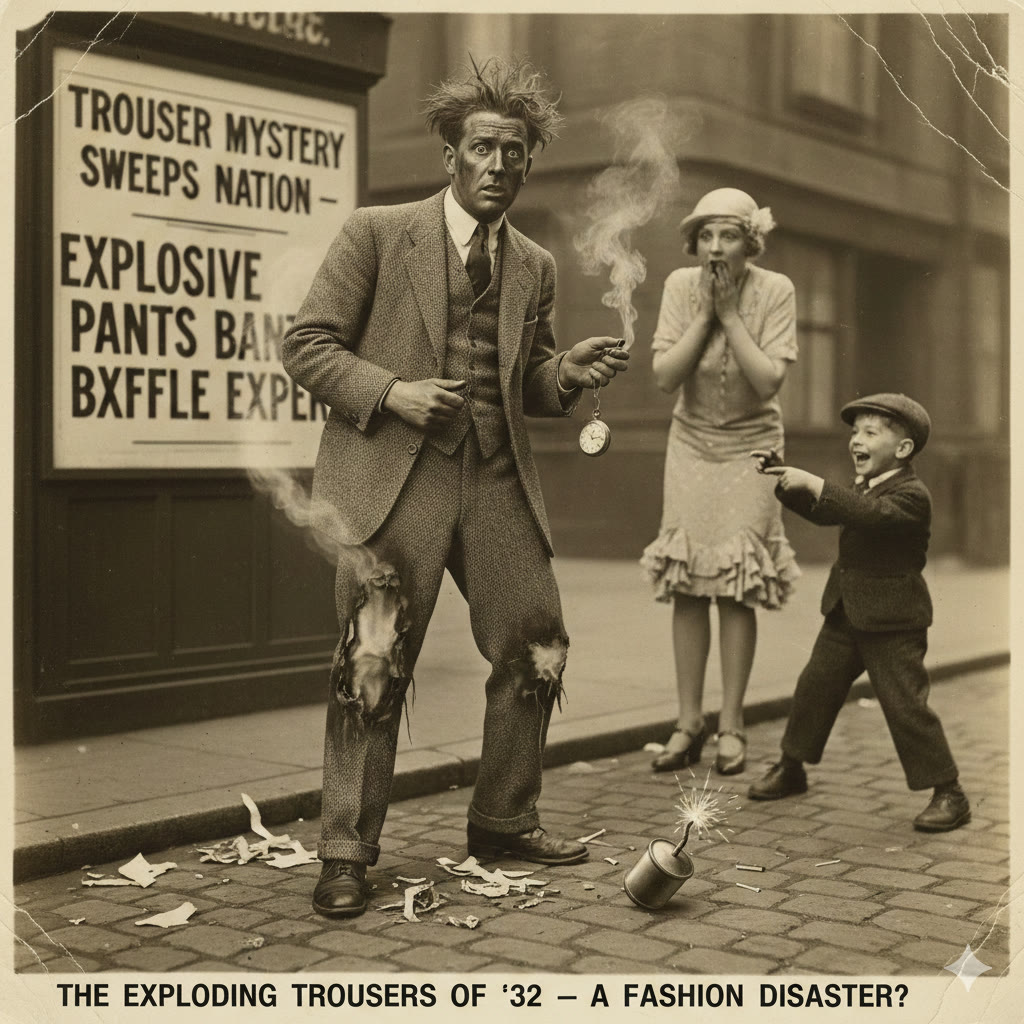
Yes, exploding trousers were a real problem. In 1930s New Zealand, farmers unknowingly created wearable fire hazards by applying sodium chlorate to kill weeds. Spoiler: it didn’t just kill weeds — it made cotton pants go boom. This post breaks down how a nation accidentally invented self-destructing legwear, and what it says about early agricultural science (and terrible product testing). Just don’t try this at home.

Forget the axe-wielding savages you’ve seen on screen — the real Vikings were clean, stylish, and incredibly well-groomed. This post explores the hilarious truth behind Viking hygiene, from weekly baths and fancy combs to guyliner that would make an influencer weep. Turns out, the original Norsemen were less “mud and blood” and more “Nordic spa day.” The past just got way hotter (and cleaner).

In 897 AD, Pope Stephen VI did what any reasonable religious leader absolutely wouldn’t: he dug up a dead pope, dressed him in robes, propped him on a throne, and put him on trial. Yes, seriously. This post dives into the Cadaver Synod — one of the most unhinged events in papal history — with a mix of disbelief, dry humour, and WTF-level absurdity. It’s a corpse, a courtroom, and a full-blown medieval meltdown. Welcome to church politics, 9th-century style.